Overview
This review covers the current Land Rover Defender, the L663 generation that went on sale in 2020, in five-door 110 form. It is built in Nitra, Slovakia, on an aluminium monocoque with independent suspension, so it has almost nothing in common with the old ladder-chassis Defender beyond the name and the boxy silhouette.
The 110 is the middle body length, between the three-door 90 and the stretched 130. It seats five as standard, with six-seat and 5+2 layouts available on most versions. It suits buyers who want genuine off-road ability combined with the comfort and equipment of a premium SUV, and who can budget for premium running costs.
| Specification | Defender 110 (UK market) |
|---|---|
| Diesel engines | 3.0 six-cylinder mild hybrid: D250 (249PS, 570Nm), D300 (300PS, 650Nm), D350 (350PS, 700Nm) |
| Petrol engines | P400 3.0 six (400PS, 550Nm, 2020 to 2024); 5.0 supercharged V8 (up to 525PS, 625Nm) |
| Plug-in hybrid | P400e (404PS, 640Nm) until 2024; P300e (300PS, 625Nm) since then |
| Gearbox | Eight-speed automatic, permanent four-wheel drive |
| Towing (braked) | 3,500kg diesel and V8; 3,000kg PHEV |
| Economy (WLTP) | About 31 to 33mpg for the diesels (2025 model year); PHEV electric range 27 to 32 miles |
| Price | From about £64,315 (Defender S) to £97,125 (X and Vertex), 2026 list prices; OCTA from about £148,000 |
Engines and Performance
The 3.0-litre six-cylinder diesels are the heart of the range and the ones most buyers should look at. All three are smooth, quiet at cruising speeds and have plenty of low-down torque. The D250 is the popular choice and feels adequate rather than quick, reaching 62mph in about 8.3 seconds. The D300 (offered up to the 2024 model year) and the D350 add real urgency, with the D350 managing 0-62mph in around 6.4 seconds while returning much the same official economy.
The P400 petrol six was dropped in 2024 but is common on the used market and is refined and fast. The V8 is thrilling but thirsty, with economy around 20mpg. The plug-in hybrids use a four-cylinder petrol engine and a battery; they make sense only for owners who can charge regularly, and they give up the third-row seats and some boot space. Early 2020 cars were also sold with a 2.0-litre four-cylinder diesel (D200 and D240), which was quickly replaced and is best avoided.
Off-Road Ability and Practicality
Off-road, the Defender is exceptional. With air suspension it offers up to 293mm of ground clearance in off-road mode and can wade through 900mm of water (850mm on coil springs). Terrain Response, low-range gearing, a lockable centre differential and an optional locking rear differential mean it will go further than almost any owner will ask of it.
Diesel 110s tow up to 3,500kg, and payload is up to about 750kg depending on seating. Boot space is 786 litres behind the second row and 1,875 litres with the rear seats folded. The third row is tight and best kept for children. On the road, most testers find the ride comfortable and composed for such a tall vehicle.
Interior and Technology
The cabin mixes rugged, exposed-bolt design with premium materials, and it is practical, with plenty of storage. The Pivi Pro infotainment is quick and clear. The screen grew to 11.4in on later cars and to 13.1in as standard from the 2026 model year update, which also brought revised lights and bumpers. Top trims add a head-up display, a camera rear-view mirror and a strong suite of driver aids.
Reliability and Running Costs
This is the Defender’s weak spot. Early cars attracted a well-publicised run of software glitches, electrical faults, warning lights and AdBlue problems, and the model has had several recalls, including water pump pulley belts and oil filter housings. Land Rover as a brand sits near the bottom of UK reliability surveys, although more recent owner data for the Defender itself has been noticeably better, suggesting later cars are improving. Parts delays at dealers are a common owner complaint.
The warranty is three years with unlimited mileage. Expect high costs for tyres, servicing and insurance, and budget for air suspension or electronic repairs as the car ages.
Buying One in the UK for Export
Supply is strong. Diesel 110s from 2021 to 2024, particularly the D250 and D300 in S, SE and X-Dynamic trims, are plentiful, many coming off finance or lease agreements. Commercial Hard Top versions also appear.
Insist on a full Land Rover or specialist service history, check with a recall lookup that all campaigns are complete, and have the air suspension, infotainment and electrics checked by a specialist. Software updates matter, so ask whether they have been applied.
For export, the Defender suits buyers with access to a Land Rover dealer or a well-equipped specialist, because diagnosis needs proper equipment. Its strength and clearance cope well with rough roads, but the Euro 6 diesels use a particulate filter and AdBlue and are happiest on good-quality, low-sulphur fuel. Where support is limited, a simpler vehicle may serve better.
Verdict
The Defender 110 is brilliant off-road, comfortable on it and hugely desirable, with the D250 and D350 diesels the best all-round choices. Its complexity and uneven reliability record mean it rewards careful buying and good local support.
Pros
- Outstanding off-road ability and 3,500kg towing
- Refined, torquey six-cylinder diesels
- Comfortable, practical and well-equipped cabin
- Strong demand and plentiful UK supply
Cons
- Patchy reliability record, especially early cars
- Expensive to buy, run and repair
- Needs dealer-level diagnostics
- Tight third row, PHEV loses seats and space
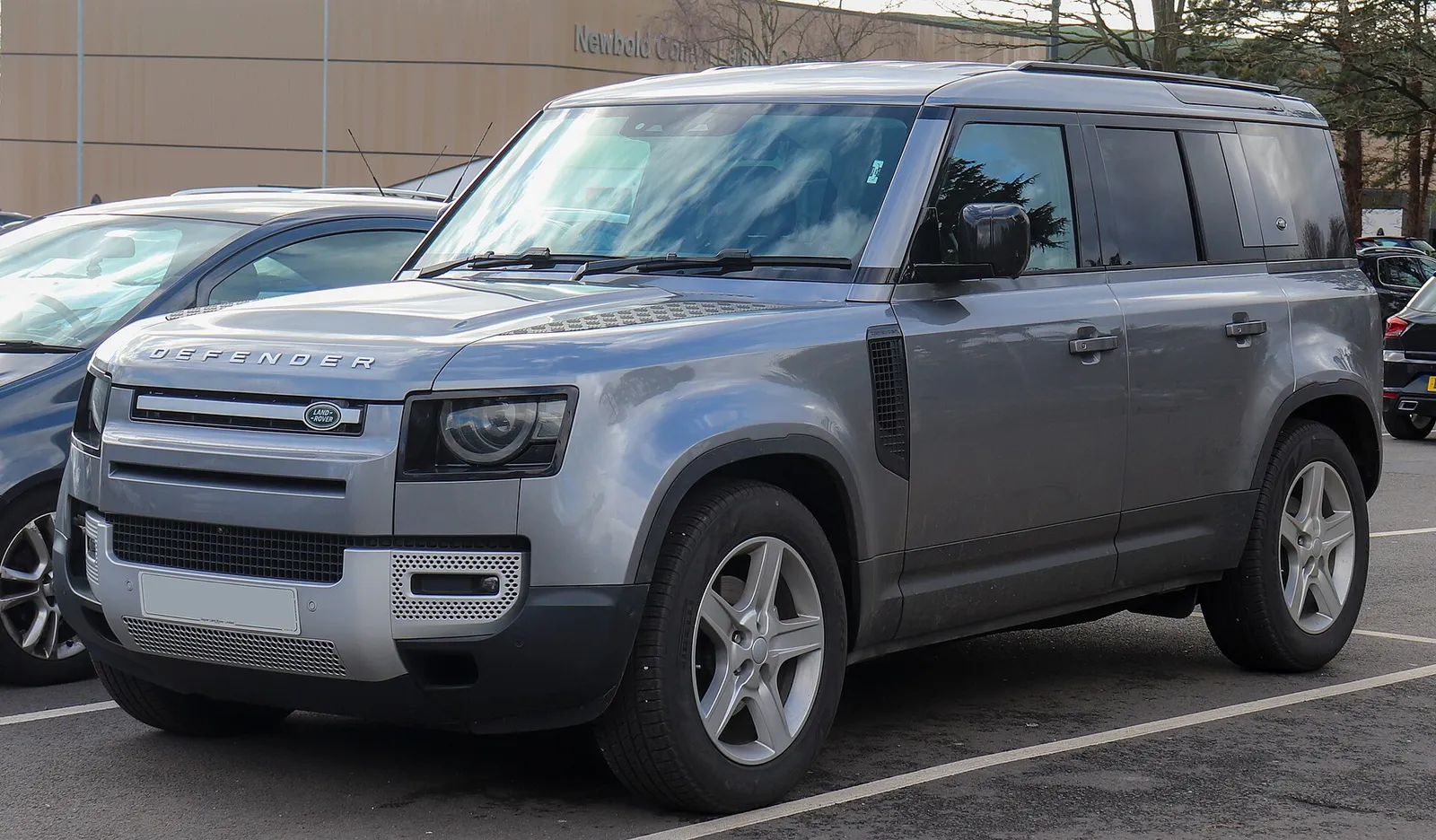
Image: 2020 Land Rover Defender 110 SE by Vauxford, Wikimedia Commons (CC BY-SA 4.0), resized.

Related Posts
 Vehicle Reviews
30 September 2026
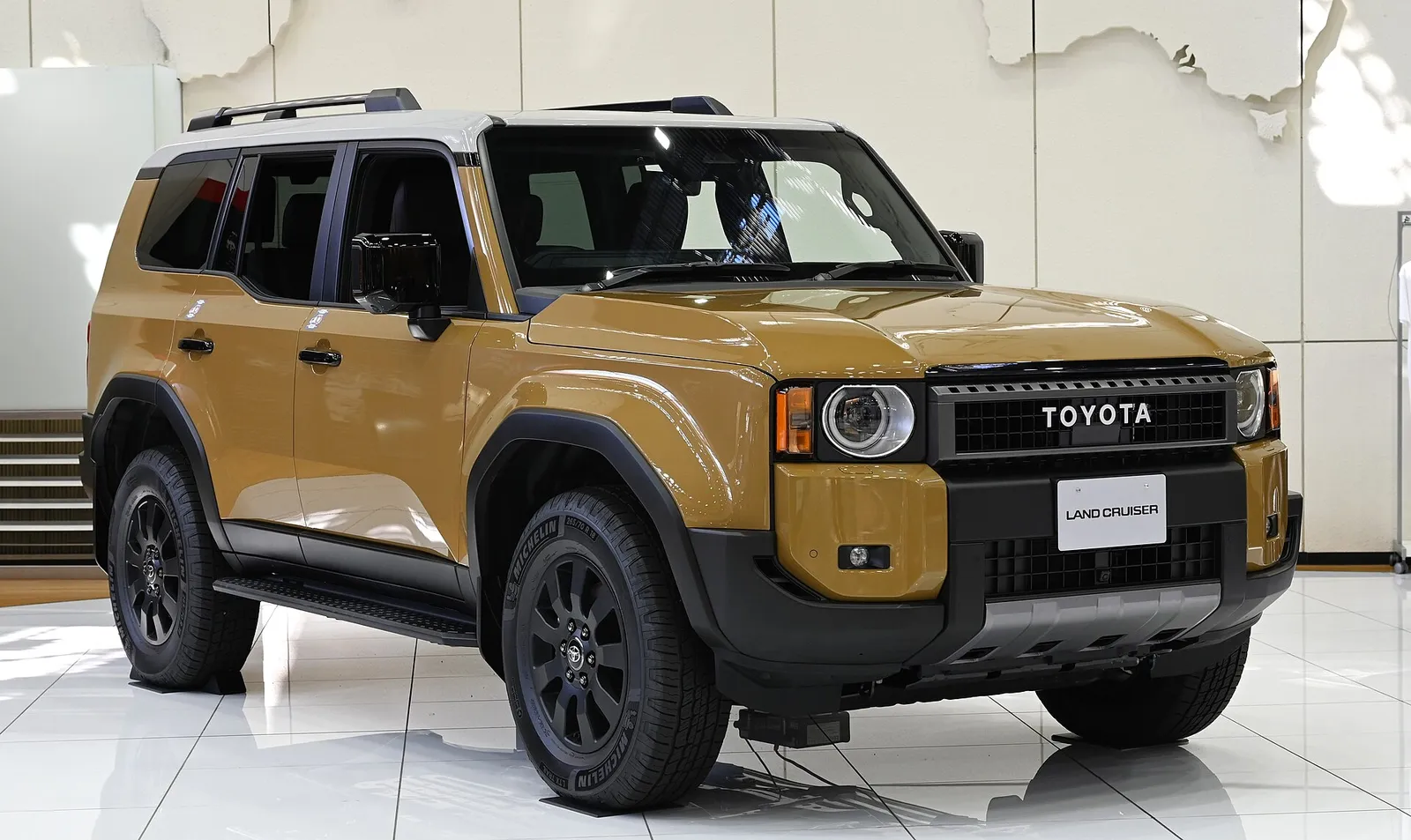
Toyota Land Cruiser Review: Built to Outlast the Journey
The 250 series Land Cruiser is slow, thirsty and expensive new, but its ladder-frame toughness, 3,500kg towing and Toyota's durability record make it one of the safest export buys, with the outgoing 150 series a cheaper route to the same strengths.
 Vehicle Reviews
29 September 2026
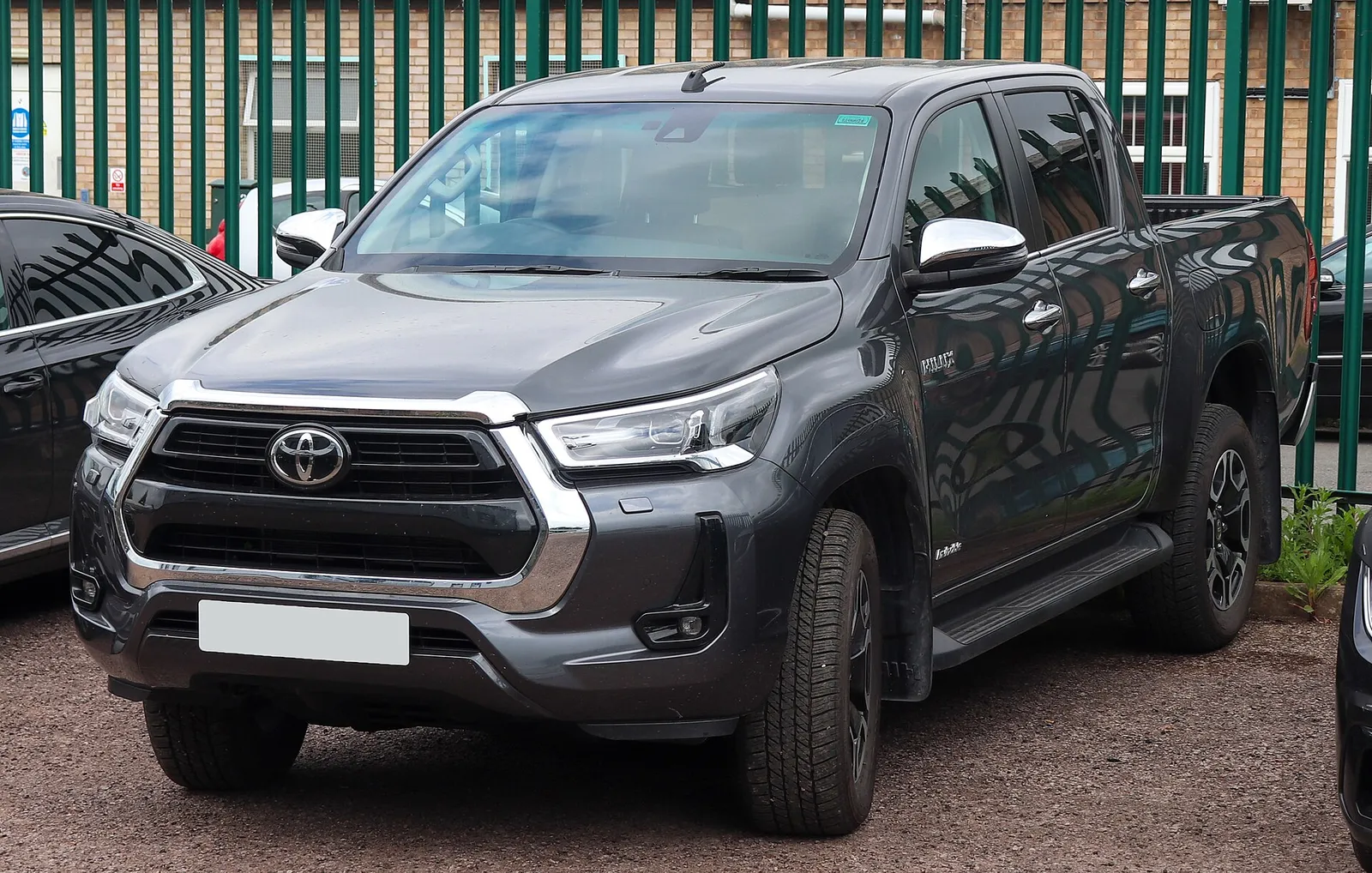
Toyota Hilux Review: The Export Workhorse
The eighth-generation Hilux is not the most comfortable pick-up, but its one-tonne payload, 3,500kg towing and reputation for surviving hard use make it one of the most dependable vehicles to buy in the UK and ship overseas.
 Vehicle Reviews
27 September 2026
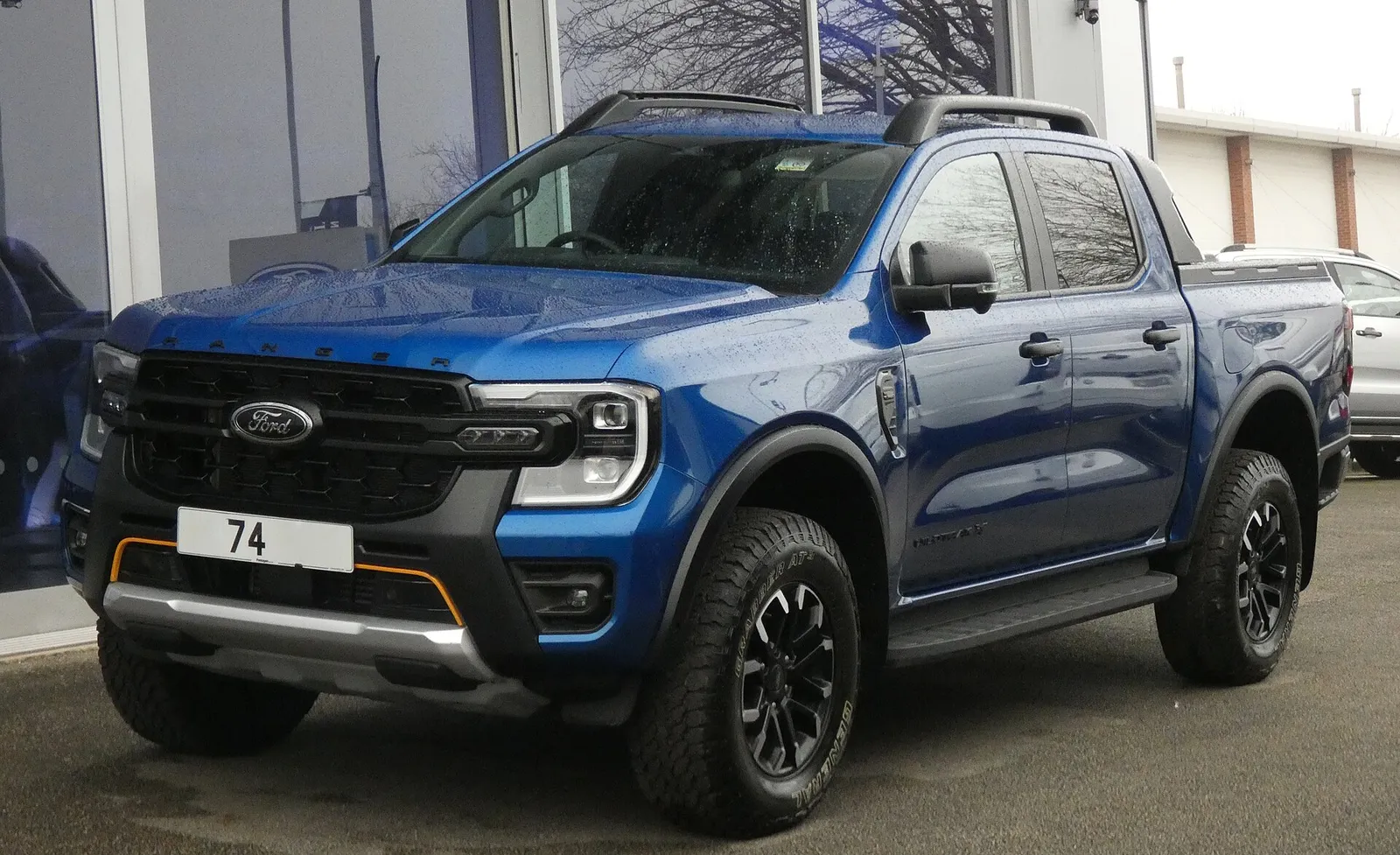
Ford Ranger Review: The Pickup That Drives Like an SUV
The current Ford Ranger is the most refined and car-like pickup on sale in the UK, with 3,500kg towing and a one-tonne payload, and it is plentiful on the used market, though it is not as simple or tough as the old-school alternatives.