Electric & Hybrid Vehicle Export
We source and export electric, plug-in hybrid and hybrid cars from the UK. They go through the same export process as any other car, but the battery brings rules of its own: shipping lines set limits on how charged it can be, some will not carry a used electric car, and in a container a fully electric car normally travels as dangerous goods.
What You Get
- Electric and hybrid cars sourced from UK dealers, auctions and private sellers, or bought on your behalf
- The battery questions asked before you buy: state of health, remaining battery warranty, open recalls and whether the battery is owned or leased
- Shipping line and route confirmed during your quote, before you commit to a car
- Container shipments declared as dangerous goods where the IMDG Code requires it, with any extra cost shown on our rates page or quoted per job
How It Works
- 1
Tell us the car and the country
Make, model, year and destination. We check which lines and routes will carry it, by RoRo or container.
- 2
Check the battery
Before you commit, we look at the battery’s state of health, its warranty, its recall record and whether it is owned or leased.
- 3
Charge, declare and ship
The car reaches the port charged within the shipping line’s limits and, if it travels in a container, is declared as dangerous goods where the rules require it.
Exporting an Electric or Hybrid Car: What Is Different
An electric or hybrid car follows the same export steps as any other car. The differences are all about the battery: how the shipping lines carry it, how to judge its condition before you buy, and how the car will charge where it is going. This is general guidance. Shipping lines change their policies, and each destination sets its own import rules.
How Shipping Lines Carry Electric and Hybrid Cars
The dangerous-goods rules for carrying cars by sea come from the International Maritime Dangerous Goods (IMDG) Code. Since 1 January 2026, when Amendment 42-24 became mandatory, a car powered by a lithium-ion battery has its own entry: UN 3556, “Vehicle, lithium ion battery powered”. The older general entry, UN 3171 “Battery-powered vehicle”, can no longer be used for lithium-ion cars.
By RoRo
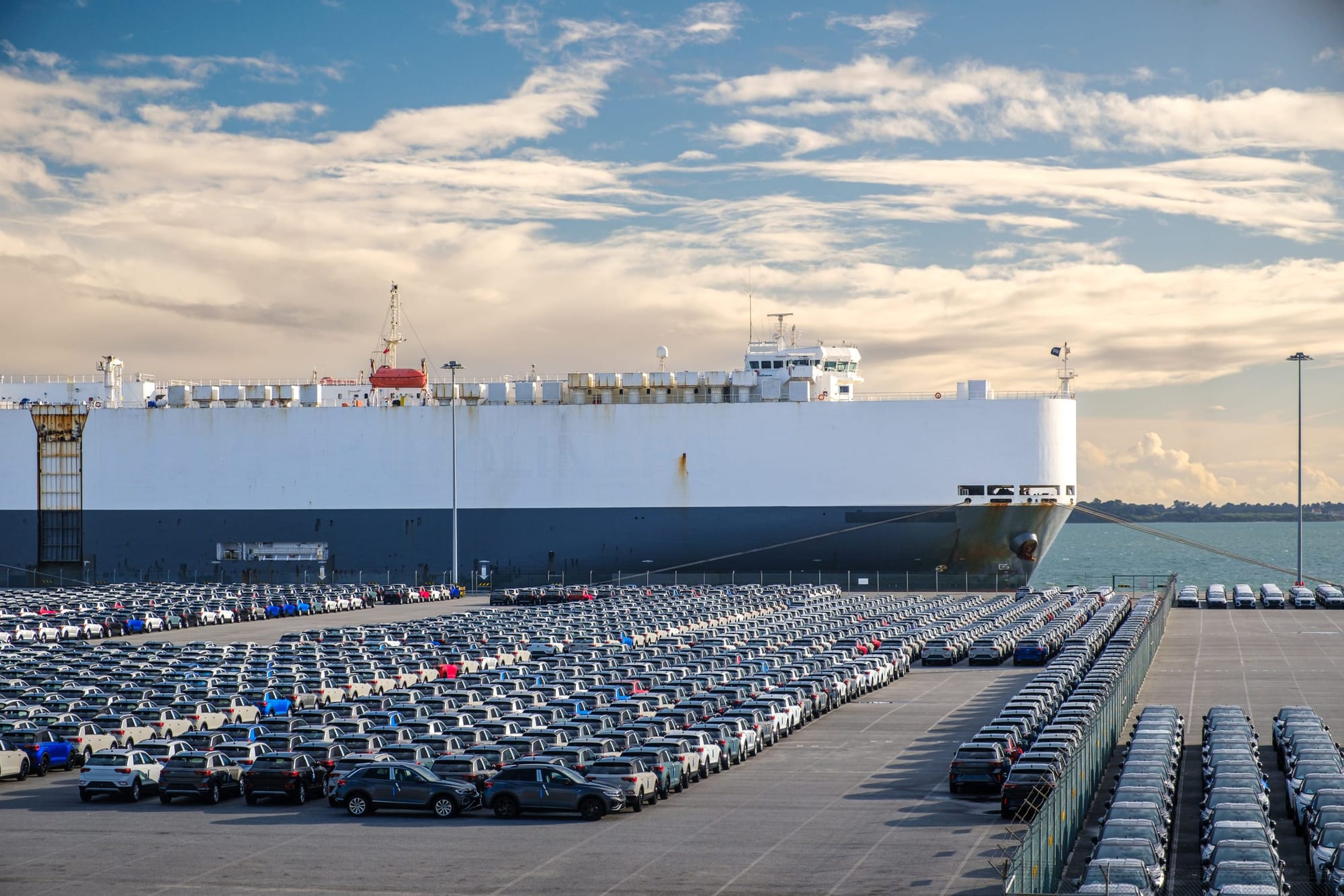
Driven onto the vehicle deck of a RoRo ship, an electric car with no leaks and a battery in good order is not treated as dangerous goods. The shipping lines still set their own conditions on top of the Code.
- Charge level: lines typically want the battery between 20% and 50% charged when the car is delivered to the port, in line with European Maritime Safety Agency guidance. Some prefer it below 30%.
- Used cars: some RoRo lines do not carry second-hand electric or hybrid cars at all.
- Damage: some lines refuse any electric car with visible damage, and the Code requires a damaged or defective battery to be removed before the car is carried.
- Recalls: some lines ask for proof that the car’s recall work is up to date.
In a Container
Packed in a container, a fully electric car is dangerous goods under the IMDG Code (Class 9, UN 3556). That applies on a container ship and in the container hold of a RoRo ship. The exception is a container carried on a RoRo ship’s vehicle deck, which is treated like a car driven on board. The car must show no leaks, and its battery must be protected against damage, short circuit and accidental activation. The container is placarded, the car is declared to the shipping line under the correct UN number, and some lines and ports ask for a signed declaration as well.
In a shared container, electric and hybrid cars are quoted case by case unless the shipping rates page shows a hazardous-cargo surcharge for the route. In a full container, the dangerous-goods cost is quoted per job.
Shipping lines change their electric-car policies often, so the line, route and charge limit are confirmed for your car when we quote.
Checking the Battery Before You Buy
The high-voltage battery can usually be replaced, but that is complicated and often expensive, so its condition matters as much as the mileage. The UK logbook (V5C) does not record the technical details that matter on an electric car, so they have to be checked separately.
- Battery health: ask for a state-of-health report from a franchised dealer or a diagnostic check. A test drive from a full charge also shows the range the car really gives.
- Battery size and charging speed: both vary between models, years and specifications, so check them against the car’s exact version.
- Battery warranty: most manufacturers give the battery its own warranty, covering repair or replacement if its capacity falls below a set level. Check how much is left, and ask the manufacturer whether it applies in your country.
- Owned or leased: some electric cars were sold with a leased battery, which is a separate contract with its own monthly cost.
- Recalls and history: check for open safety recalls on GOV.UK and have any recall work done before the car ships. The usual checks still apply: MOT record, mileage and outstanding finance.
- Cables: check which charging cables come with the car.
Accident-damaged and salvage electric cars are very hard to ship. A damaged battery has to be removed before the car can travel, and some lines refuse damaged electric cars outright.
Charging and Driving at the Destination
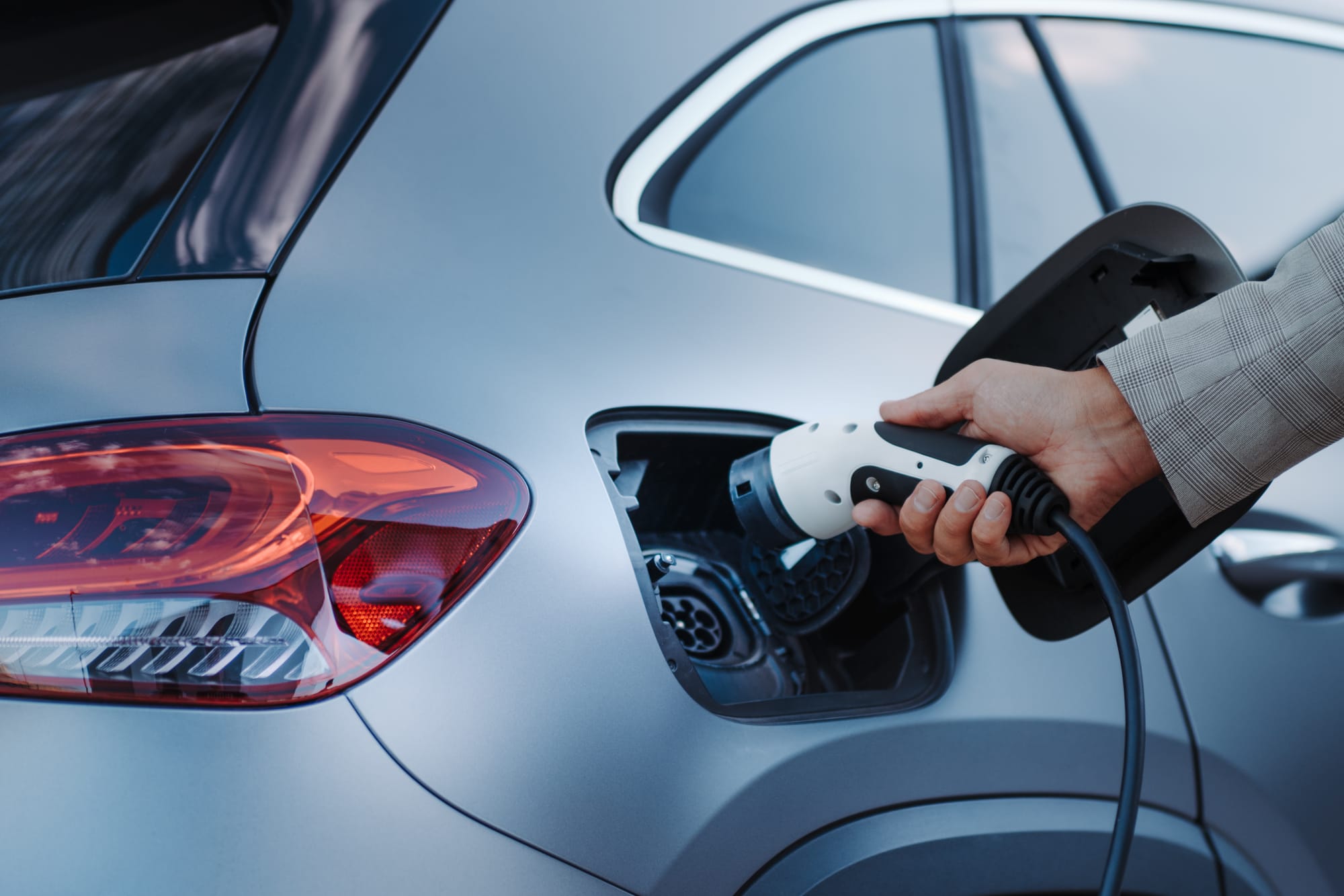
In the UK, public charge points installed or renewed after 17 November 2017 have to offer a Type 2 connector for AC charging, and rapid DC charge points the CCS “Combo 2” connector. Other markets use other connectors. In North America, for example, chargers use the SAE J1772 plug, its CCS version and the newer J3400 connector. Before you buy, check how the car will be charged at home and on the public network where it will be used, and whether it would need an adapter.
A UK car is right-hand drive, which suits countries that drive on the left. Some countries restrict or ban right-hand-drive cars. The rules vary and are your responsibility, so check them before you commit.
Import Tax and Rules for Electric Cars
Some countries tax electric cars differently from petrol and diesel cars, or have their own import rules for them. The difference can be large enough to decide which car makes sense.
Ireland, for example, reduces Vehicle Registration Tax on fully electric cars by up to €5,000. The relief tapers between €40,000 and €50,000 of value and stops above that, and hybrids and plug-in hybrids do not qualify. Revenue currently applies it only to cars registered before 31 December 2026. Our Ireland page has the detail.
Rules like these change, often at budget time. Confirm them with your country’s customs or tax authority before you buy.
Our Other Export Services







Ready to Get Started?
Tell us the vehicle and the destination — we'll confirm the price, the paperwork and the next available sailing.