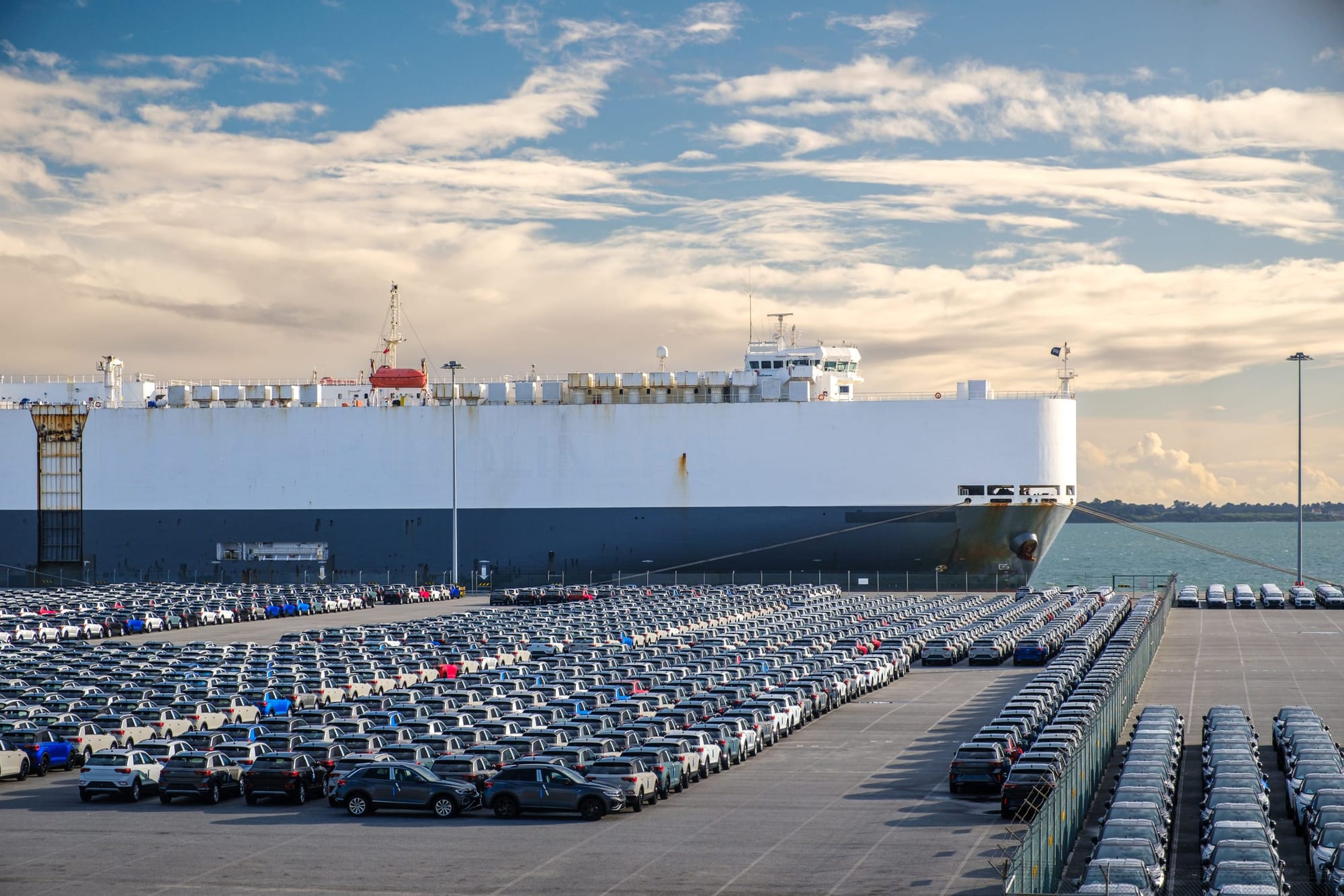
UK Car Shipping to Australia
UK Vehicle Exporters Ltd sources and exports quality vehicles from the UK to Australia. We handle the whole process, from car sourcing, tax-free supply where the car qualifies, buy on your behalf, negotiations, inspections, collection and delivery to the port, loading onto the ship, UK customs clearance and shipping to your destination port (Melbourne, Fremantle, Brisbane, Sydney, Port Kembla).
RoRo shipping from £1,041 per vehicle
Cost of Shipping a Car from the UK to Australia (Melbourne, Fremantle, Brisbane, Sydney, Port Kembla)
The total cost of shipping depends on the vehicle make, model and most importantly size. We work directly with all shipping lines in the UK to arrange regular and reliable vehicle exports from the UK to Australia (Melbourne, Fremantle, Brisbane, Sydney, Port Kembla).
Roll-on / Roll-off (RoRo)
The cheapest way to move a single vehicle, and the option most customers choose.
- From, per vehicle£1,041
Container Shipping
Extra security, or for multiple vehicles and personal items. Transit varies by routing — see the sailing schedule.
- 20ft container, from£1,543
- 40ft container, from£2,672
Approximate — call for the latest rates. These are indicative shipping rates from our published rate table for Adelaide, Brisbane, Fremantle, Melbourne. They move with the market and with the vehicle, and a full export quote covers the UK-side work listed below as well, so treat them as a guide rather than a final price. See the full rate table or ask us for an itemised quote.
Shared Container
Your vehicle travels inside a container shared with other vehicles, so it is protected like a private container shipment.
- Departs from
- Southampton
- Arrives at
- Melbourne, Sydney, Fremantle, Adelaide, Brisbane
- Valid for sailings to
- 31 October 2026
- Motorbike£878
- Saloon (up to 1.6m high, 5.2m long)£1,283
- SUV / 4x4 (up to 2m high, 5.2m long)£1,553
- Van (up to 6m long)£2,295
Per vehicle, from delivery to the Southampton depot to arrival at the port. Space is confirmed at booking, and the shipping lines can add surcharges at short notice. Electric and hybrid vehicles are quoted case by case.
What a full export quote covers
- Loading and lashing vehicle into ship
- UK customs export and clearance
- UK port handling charges
- DVLA documentation and export certification
- Export documentation (e.g. Bill of Lading)
- Posting of the Export Documents from UK by UPS/DHL
- Shipping of the vehicle from the UK to Destination Port
Not covered
- Pre-Export Inspection (if required)
- Marine Insurance (container only)
- Collection and/or delivery of the vehicle
- All destination country's import fees
Apart from import duty, taxes, port storage and demurrage at the destination, which the importer always pays, we can add any of these to your quotation, priced separately, along with customs clearance, registration and delivery to your door through a local agent.
Sailing Schedule to Australia
Next sailings from Southampton, London Gateway, Liverpool, Felixstowe, Bristol and Newcastle. Dates are carrier estimates and must be reconfirmed before booking.
| Departure | UK Port | DestinationDestination / Port | Arrival | VesselVessel / Ship |
|---|---|---|---|---|
| 12 Oct 2026 | Southampton | Australia, BrisbaneRoRo | 6 Dec 2026 | Höegh Copenhagen |
| 12 Oct 2026 | London Gateway | Australia, BrisbaneContainerFeeder MSC Sasha from London Gateway, transhipment via Sydney | 13 Dec 2026 | MSC Capucine R |
| 12 Oct 2026 | London Gateway | Australia, BrisbaneContainerFeeder MSC Sasha from London Gateway, transhipment via Sydney | 23 Dec 2026 | MSC Unity VI |
| 12 Oct 2026 | London Gateway | Australia, FremantleContainer | 18 Dec 2026 | MSC Sasha |
| 12 Oct 2026 | Southampton | Australia, MelbourneRoRo | 30 Nov 2026 | Höegh Copenhagen |
Documentation Required for Booking
- Car Registration Document (V5 or Logbook) and Vehicle Invoice (or value).
- ID (one government-issued photo ID and one utility bill showing address).
Payment Terms / Modes
- A £1,000 deposit secures a vehicle we source or buy for you. It is part of the price, not an extra fee. If you cancel, our terms and conditions say what is refunded.
- The balance is due in full, in cleared funds, before the vehicle is loaded, unless your quotation sets out different terms.
- Bank transfer preferred. Card payments up to £5,000, with no fee on personal debit or credit cards.
- Letters of credit, cheques, money orders and cash are not accepted.
Our Other Services
UK Car Sourcing & Supply
We source any new or used vehicle from any manufacturer in the UK, through our network of franchised dealers, car auctions, classified listings and private sellers, then inspect, purchase and export it to your country.
Buy a Car in the UK on Your Behalf
We check, view and buy the UK car you've found, from a dealer or a private seller, then ship it to you, protecting you from the pitfalls of paying an unknown seller from overseas.
Tax-Free & VAT-Free Vehicle Supply
We find new and VAT-qualifying used cars from VAT-registered dealers who will sell them free of UK VAT for export, which takes a sixth off a VAT-inclusive price. The saving comes from the dealer, not as a refund from us: we are not VAT registered. We arrange the export and give the dealer the proof it needs.
New / Used Car Export
We export new and used cars from the UK every week, sourced from our dealer, auction and trade network or supplied by you, given a multi-point inspection before shipment and shipped worldwide by RoRo or container.
Pre-Purchase Inspections
Before you commit to a car, we check its DVLA, MOT and recall records and run a paid UK history check, then view it, compare it with its logbook and send you photos and a video. A full mechanical inspection by an independent inspector can be added, quoted separately.
Biosecurity Preparation
Australia inspects every used vehicle on arrival and charges the importer for any cleaning it needs. We steam clean each car inside and out before it sails, engine bay and spare-wheel well included. On an older car, asbestos is worth resolving before it ships rather than on the wharf, and we can arrange an asbestos inspection before it sails.
UK Vehicle Collection & Delivery
We collect any vehicle from any UK address and deliver it to the departure port at £1 per mile, driven on DVLA plates or moved on a carrier, timed to meet the booked sailing.
Secure Vehicle Storage
Vehicles wait with us in a secure compound between purchase and sailing, so there is no rush to move a car the day you buy it and nothing accumulating in storage charges at the port. Quoted separately from the shipping price.
Paintwork Reconditioning
Where a car would arrive the better for it, we can recondition the paintwork before it ships — worth doing while the vehicle is with us rather than paying to sort it out after it lands. Quoted separately from the shipping price.
UK Vehicle Customs Clearance
We make export declarations directly on the UK customs system and prepare every document needed at the UK port of exit, including the Bill of Lading, export certificate and DVLA export documentation.
Car Sourcing and Buying on your behalf
Buying and exporting a car to Australia doesn't need to be stressful. UK Vehicle Exporters specialises in sourcing and exporting vehicles from the UK, with trusted shipping partners and support at every stage, from choosing the vehicle through to loading it onto the ship.
Browse Export Cars
Choose from our export-ready UK vehicles.
Car Sourcing & Supply
Tell us what you need, we'll find it in the UK market.
Buy car on your behalf
Spotted a car elsewhere? We can buy and export it for you.
Import Approval & Eligibility
Australia is one of the strictest destinations we ship to, and the paperwork comes first. Under the Road Vehicle Standards Act 2018 it is an offence to import a road vehicle without approval, and the approval has to be in place before the car is imported — which in practice means applying well before it sails. Applications go through ROVER, the Department of Infrastructure's online portal. Allow a couple of months: a new ROVER account needs 100 points of identity verification, which the department says can take a fortnight on its own, and it may then take up to 60 business days to assess the application itself.
An approval also enters the vehicle on the Register of Approved Vehicles (RAV), which is what a state or territory authority looks for when you go to register the car. Most private imports from the UK use one of three routes:
- 1Personal effects — for migrants and returning Australians. You must have become the owner while living outside Australia, have owned and actually used the car for at least 12 months immediately before you first arrive in Australia to live indefinitely, apply within 6 months of arriving, and not have been granted this concession in the previous 5 years. Service records, insurance and registration are what prove continuous use, so a car bought and left garaged will not qualify.
- 2Older vehicles — open to anyone, for a car whose build date (or the date of the last significant modification) is at least 25 years before the date you apply. This is the usual route for classic and collector cars, and most vehicles this old do not need to be on the Specialist and Enthusiast Vehicles Register at all.
- 3Specialist and Enthusiast Vehicles (SEVS) — the usual route for a newer car that is not already on the RAV. The model normally needs to be covered by an entry on the SEVs Register both when you apply and when the decision is made. A Registered Automotive Workshop then modifies the car to an approved Model Report, and an authorised vehicle verifier checks the work and enters it on the RAV. Other routes exist for vehicles that are not on the register, including racing, exhibition and film use, but those do not put the car on the RAV and so do not lead to ordinary registration.
Being right-hand drive, a UK car needs no steering conversion — the restrictions Australian states impose apply to left-hand-drive imports, not to cars from the UK. That is one of the reasons UK cars travel to Australia so well.
Important: an import approval is not a guarantee of registration. The Commonwealth controls what may be imported; each state and territory sets its own registration rules on top. We check eligibility against the route you intend to use before you commit to buying a vehicle.
Duty, GST & Luxury Car Tax
Australian import charges are assessed by the Australian Border Force once the vehicle is in transit and an Import Declaration has been lodged. They stack in a set order, each one calculated on the total so far:
- Customs duty — 5% of the customs value on most used passenger cars. Cars that qualify as UK-originating under the Australia-UK Free Trade Agreement are free of duty, as are cars 30 years old or more, and a few small-engined categories are already nil.
- GST — 10%, charged not on the car alone but on the customs value, plus the duty, plus what you paid to ship and insure it to the extent that is not already inside the customs value. Freight therefore increases the GST bill as well as the shipping bill.
- Luxury car tax — charged on the landed, GST-inclusive value above a threshold. For 2026-27 that threshold is A$80,809, or A$91,661 for a fuel-efficient car. The headline rate is 33%, but it applies to the excess with the GST stripped out, so the real cost is about 30p in the pound above the threshold, not 33p.
The UK-Australia Free Trade Agreement
The agreement has been in force since 31 May 2023 and removed Australian tariffs on UK-originating vehicles. The saving is real but conditional: the car must actually originate in the UK under the agreement's rules of origin, and at the time of import you must hold either a declaration of origin, or a copy of one, or other documentation showing the car is UK-originating, unless Australia has waived that requirement. A UK-built Land Rover, MINI, Jaguar, Bentley or Aston Martin is the strong case. A German or Japanese car simply bought in the UK is not UK-originating and pays the 5%. Worth knowing too that the tariff schedule itself does not show a UK rate against used cars — the free rate comes from the agreement's residual rule — so do not be alarmed if a broker's first quote assumes 5%. We confirm the position before quoting rather than assuming the exemption either way.
Two things that catch buyers out
Luxury car tax applies to used cars too. There is a widely repeated claim that cars over two years old are exempt. That exemption covers a later sale within Australia, not the importation. Bring in a three-year-old Range Rover worth more than the threshold and luxury car tax is payable at the border. The tax office's own worked example charges it on a 1977 Mustang. The exemptions that do exist are not about age: they cover things like quoting an ABN, cars on which the tax has already been paid, and re-importing a car that was previously exported from Australia — worth raising if you are a returning Australian bringing back a car you originally bought there.
The price you paid may not be the taxable value. For a privately imported used car the Border Force generally cannot use your purchase invoice, because the car has been driven or has depreciated since. Instead it values the vehicle on an independent appraisal of what it would fetch landed on the Australian wharf — obtained at the importer's cost. Keep the purchase invoice, the V5C, the service history and the bill of lading, as they all support the valuation.
Note: duty, GST and luxury car tax are Australian charges, payable on arrival, and sit outside our shipping price. The Border Force issues a payment advice once the declaration is processed, so you do not have to calculate them yourself. Rates and thresholds here were checked against Australian government sources in September 2026; the thresholds are re-indexed every July.
Biosecurity & Asbestos
Australia's biosecurity rules are the strictest of any market we ship to, and a dirty car is the most common reason a shipment is delayed. It is the importer's responsibility to make sure the vehicle arrives free of soil, mud, seeds, plant material, animal material and live insects. Used vehicles are given a full internal and external inspection on arrival, and inspectors look in the places dirt actually hides:
- The boot and the spare-wheel well
- The engine bay and the washer bottle
- Under the seats and mats, consoles and storage compartments
- Vents, and window and door seals
If contamination is found, the vehicle is cleaned or fumigated, and in bad cases re-exported or destroyed — always at the importer's expense. We steam clean every Australia-bound vehicle inside and out before it sails, and the keys travel with the car so officers can open the compartments and bonnet without forcing anything.
Brown marmorated stink bug season
Australia runs seasonal stink bug measures on vehicles shipped between 1 September and 30 April, set by the shipped-on-board date on the bill of lading. This is the detail most often got wrong, and it is worth reading twice, because the rule follows where the car was built, not only where it sails from.
- The UK itself is not a target risk country. It is listed as an emerging risk country, so a UK-built car shipped from a UK port needs no mandatory treatment on that basis, though it can still be picked for a random inspection on arrival. A Japanese-built car is in the same position: Japan is listed for heightened vessel surveillance only, so the car faces only a possible random inspection.
- But the measures catch goods manufactured in a target risk country as well as those shipped from one, and motor vehicles are treated as high risk goods. A German, Italian, French, Spanish, Czech or American built car still needs mandatory treatment even though it is leaving from Southampton.
In practice that covers a large share of what we export — BMW, Mercedes-Benz, Audi, Volkswagen, Porsche, Fiat, Alfa Romeo and Peugeot among them. It is not a problem, just a cost and a few days to plan for, and it is far cheaper booked before sailing than discovered on arrival. We check the country of manufacture against the current target list when we quote, so a September-to-April booking is priced with the treatment already in it.
Asbestos
Asbestos is prohibited in Australia and there is no exemption for age, value or classic status. On the Border Force's own list of goods that might contain it, the vehicle parts at risk are brake linings, blocks and disc pads, clutch linings, gaskets and seals, acoustic padding, lagging and jointing materials, and heat-resistant sealing compounds. A signed declaration that a car is asbestos-free carries no weight on its own, whether it comes from the owner, the manufacturer or a supplier: the Border Force wants supporting documentary evidence, and where there is doubt, sampling by a competent person. On an older vehicle, sorting this out before it ships is far cheaper than having the car held, sampled and tested on the wharf. We can arrange an asbestos inspection on an older car before it ships.
Tax-Free Vehicle Supply and UK VAT
UK Preferential Origin (Reduced Import Duty)
Some UK-built vehicles may qualify for reduced or zero import duty. That depends on the UK having a trade agreement with the destination country and on the car meeting that agreement's rules of origin. During your quote, we'll confirm whether the vehicle you're interested in qualifies.
VAT-free Supply of VAT-Qualifying (VATQ) Cars
A VAT-registered dealer can sell a new car, or a used car that carries VAT on its full price, free of UK VAT when it is exported and HMRC's conditions are met. Used cars of that kind are known in the trade as VAT-qualifying: typically ex-rental or ex-lease cars, where the hire or leasing company reclaimed the VAT when it bought them. On a VAT-inclusive price, the VAT is one-sixth. A used car sold under the second-hand margin scheme is different: VAT is due only on the dealer's margin, and HMRC does not let a dealer zero-rate it as an ordinary export. We are not VAT registered, so the saving comes off the dealer's price, not as a refund from us. We arrange the export to Australia and give the dealer the proof of export it needs.
HMRC's Personal Export Scheme (PES)
The Personal Export Scheme lets overseas visitors and UK residents who are leaving the UK, and will stay outside it with the car for at least six months, buy a car free of VAT and use it here before it is exported. Only VAT-registered businesses can operate the scheme, so you buy from a dealer that runs it. The car must leave within 12 months of delivery for an overseas visitor, or 6 months for a UK resident, or the VAT becomes payable. It can suit anyone relocating to Australia: we find a dealer that runs the scheme and ship the car when you are ready. How the scheme works.
Registering the Car in Australia
Registration is handled by the state or territory, not by the Commonwealth. Once the car is on the Register of Approved Vehicles it becomes available for registration, and the state then applies its own rules on top. In broad terms every state wants the same four things: the import approval and RAV entry, a safety or roadworthy inspection, proof of identity and entitlement, and compulsory third party insurance before the car is driven.
Before any of that, there is a UK step that is easy to forget. Tell the DVLA the car is leaving permanently by completing the permanent export section of the V5C and sending it to DVLA, Swansea, SA99 1BD. Keep the rest of the log book — you will need it in Australia as proof of entitlement. We handle this as part of the export paperwork.
New South Wales
Once the car clears customs it goes to an Authorised Unregistered Vehicle Inspection Scheme station, where the examiner checks it against minimum safety standards and completes the personal import plate order that came with your approval. A separate identity inspection applies to vehicles under ten years old in the Sydney, Wollongong, Gosford and Newcastle areas. Registration is then completed at a Service NSW centre.
Victoria
VicRoads wants a current roadworthy certificate, the VIN stamped on the vehicle and recorded on the RAV, and for anything built after 1968 a modification approval plate and VASS certificate even if the car is completely standard. Imports under 30 years old must be right-hand drive, which a UK car already is. Applications are by appointment at a customer service centre.
Queensland
You need a Queensland safety certificate from an approved inspection station, evidence of your identity and garage address, and a compulsory third party insurance certificate. The insurance has to be in place before the car is legally driven to the inspection or the service centre, so arrange it before collection. Expect to present the vehicle for a pre-registration inspection so its identity and compliance with the Australian Design Rules can be confirmed.
Western Australia
Only vehicles listed on the RAV are considered for licensing. A car brought in under the personal effects route cannot use an ordinary authorised inspection station and must be inspected by the state transport department itself. The licence application is lodged in person at a service centre or regional agent, with the import approval documents, a valid certificate of inspection, one primary and one secondary form of identification, proof of ownership and a completed form VL17.
We will tell you which state's rules apply to your delivery port and what to line up before the vehicle lands, so the car is not sitting on a wharf while paperwork catches up.
Arrival in Australia: What Happens Next
Once the vessel berths at Melbourne, Fremantle, Brisbane, Sydney or Port Kembla:
- 1The Import Declaration is lodged with the Australian Border Force. A licensed customs broker is not legally compulsory, but the Border Force encourages first-time importers to use one. We can arrange a local broker, quoted separately, or work with a broker of your choice.
- 2Biosecurity inspect the vehicle at the port for cleanliness, with the inspection charged to the importer.
- 3Duty, GST and any luxury car tax are paid. The Border Force will not release a vehicle from customs control until it holds a valid import approval for it and the charges are settled.
- 4The car is released and registered — inspection, plates and insurance through the state authority, as above.
Budget for the Australian-side costs that sit outside our shipping price: the customs broker, wharf and port charges, the import processing charge, the biosecurity inspection and any cleaning it triggers, delivery from the port, and then state registration and insurance. We can arrange clearance, registration and delivery to your door through a local agent and quote them separately.
At every stage, we're on hand to guide you — even after the car has left the UK.
On This Page
Destination Ports
Australia Car Shipping FAQs
Common questions about shipping a vehicle from the UK to Australia.
How much does it cost to ship a car from the UK to Australia?
RoRo shipping to Australia starts from around £1,041, with a 20ft private container from about £1,543 and a 40ft container from about £2,672. Those are indicative rates from our published rate table and move with the market, so call us for the latest. In a shared container departing Southampton, a saloon costs £1,283 and an SUV £1,553 per vehicle. A full export quote also covers the UK-side work: customs clearance, port handling, DVLA paperwork and export documentation.
How long does shipping from the UK to Australia take?
Most RoRo sailings take 6-8 weeks port to port, and the full spread across every sailing we have listed is 5-10 weeks, depending on the destination port and how many ports the vessel calls at on the way. Container is slower on this route at 8-10 weeks, because most boxes tranship through a continental hub rather than running direct. The live sailing schedule on this page shows the actual departure and arrival dates for each upcoming sailing.
Which UK ports do sailings to Australia depart from?
The two services sail from different ports. RoRo leaves Southampton, Bristol and Newcastle, with Höegh Autoliners and Wallenius Wilhelmsen; container leaves London Gateway, Liverpool, Felixstowe and Southampton, with MSC. We collect vehicles from any UK address and deliver them to the departure port.
Which Australian ports can my car be shipped to?
Vehicles are delivered to Melbourne, Fremantle (Perth), Brisbane, Sydney and Port Kembla (Wollongong), depending on the sailing.
Can I pack personal items in the car?
Not with RoRo — carriers require the vehicle to be empty. If you want to ship personal effects or multiple vehicles together, choose private container shipping instead.
Do I need an import approval before shipping a car to Australia?
Yes. It is an offence under the Road Vehicle Standards Act 2018 to import a road vehicle into Australia without approval, and the approval has to be in place before the vehicle is imported, so it needs to be applied for well before the car sails. Applications are made through the Department of Infrastructure’s ROVER portal, and the department says assessment may take up to 60 business days on top of the identity checks needed to open an account. If a car arrives without an approval, the Australian Border Force will not release it from customs control and the storage costs fall on the importer.
Can anyone import a used car into Australia, or only migrants?
Not just anyone. Most private imports use one of three routes: the personal effects pathway, for migrants and returning Australians who owned and used the car overseas for at least 12 months before moving; the older vehicles pathway, open to anyone for a car built 25 or more years ago; or the Specialist and Enthusiast Vehicle Scheme, where a listed make and model is imported through a Registered Automotive Workshop. A recent car bought purely to import will usually not qualify, so check eligibility before you buy.
How much duty and GST will I pay on a car imported into Australia?
Customs duty on most used passenger cars is 5% of the customs value, and GST is 10% of the customs value plus that duty plus the freight and marine insurance. Cars that qualify as UK-originating under the Australia-UK Free Trade Agreement enter free of duty, and cars 30 years old or more are also duty free, though GST still applies.
What is luxury car tax and will it apply to my car?
Luxury car tax is charged on the landed, GST-inclusive value of the car above a threshold. For 2026-27 that threshold is A$80,809 for most cars and A$91,661 for fuel-efficient cars using 3.5 litres per 100km or less, which in practice means electric and plug-in hybrid models. The headline rate is 33%, but it is applied to the excess after the GST element is stripped out, so the actual cost is nearer 30% of the amount above the threshold. It applies to used cars as well as new, so an older prestige car can still attract it.
Does my car need to be cleaned before it is shipped to Australia?
Yes, and this is the single most common cause of delay. Australian biosecurity requires the vehicle to arrive free of soil, plant matter, seeds and insects, inside and out. Used vehicles are inspected on arrival, and anything found contaminated is cleaned, fumigated, re-exported or destroyed at the importer’s cost. We steam clean every vehicle, including the engine bay, boot and spare-wheel well, before it sails.
Is asbestos a problem when importing a car into Australia?
It can be. Asbestos is prohibited in Australia with no exemption for a vehicle’s age, value or classic status. The parts the Border Force treats as at risk are brake linings, blocks and disc pads, clutch linings, gaskets and seals, acoustic padding, and heat-resistant sealing compounds. A signed declaration that a car is asbestos-free carries no weight on its own, whoever it comes from, so on an older vehicle it is worth resolving before shipping rather than having the car held and sampled on the wharf. We can arrange an asbestos inspection on an older car before it ships.
Will my car need brown marmorated stink bug treatment?
It depends on where the car was built, not just where it sails from. Seasonal measures apply to vehicles shipped between 1 September and 30 April. The UK is not a target risk country, so a UK-built car shipped from a UK port needs no mandatory treatment, though it can still be picked for a random inspection. The same goes for a Japanese-built car, which faces only a possible random inspection. However the measures also catch vehicles manufactured in a target risk country, so a German, Italian, French, Spanish or American built car still needs treatment even though it leaves from Southampton. That covers a lot of what we ship, so we check the country of manufacture and price the treatment in when you book.
Does my UK car need converting to left-hand drive?
No, the opposite. Australia drives on the left, so a UK car is already right-hand drive and needs no steering conversion. It is left-hand-drive imports that face restrictions.
Export & Shipping Services to Australia
The shipping itself — RoRo or container to Australia — is priced above. These are the services around it: sourcing, tax-free supply, collection and customs, and everything else we handle in the UK before your vehicle sails.

UK Car Sourcing & Supply to Australia
Any new or used vehicle from our UK dealer, auction and trade network.
Learn more
Tax-Free UK Car Exports to Australia
New and VAT-qualifying used cars bought free of UK VAT for export.
Learn more
Buy a Car in the UK on Your Behalf for Export to Australia
We check, view and buy the UK car you found, then ship it to you.
Learn more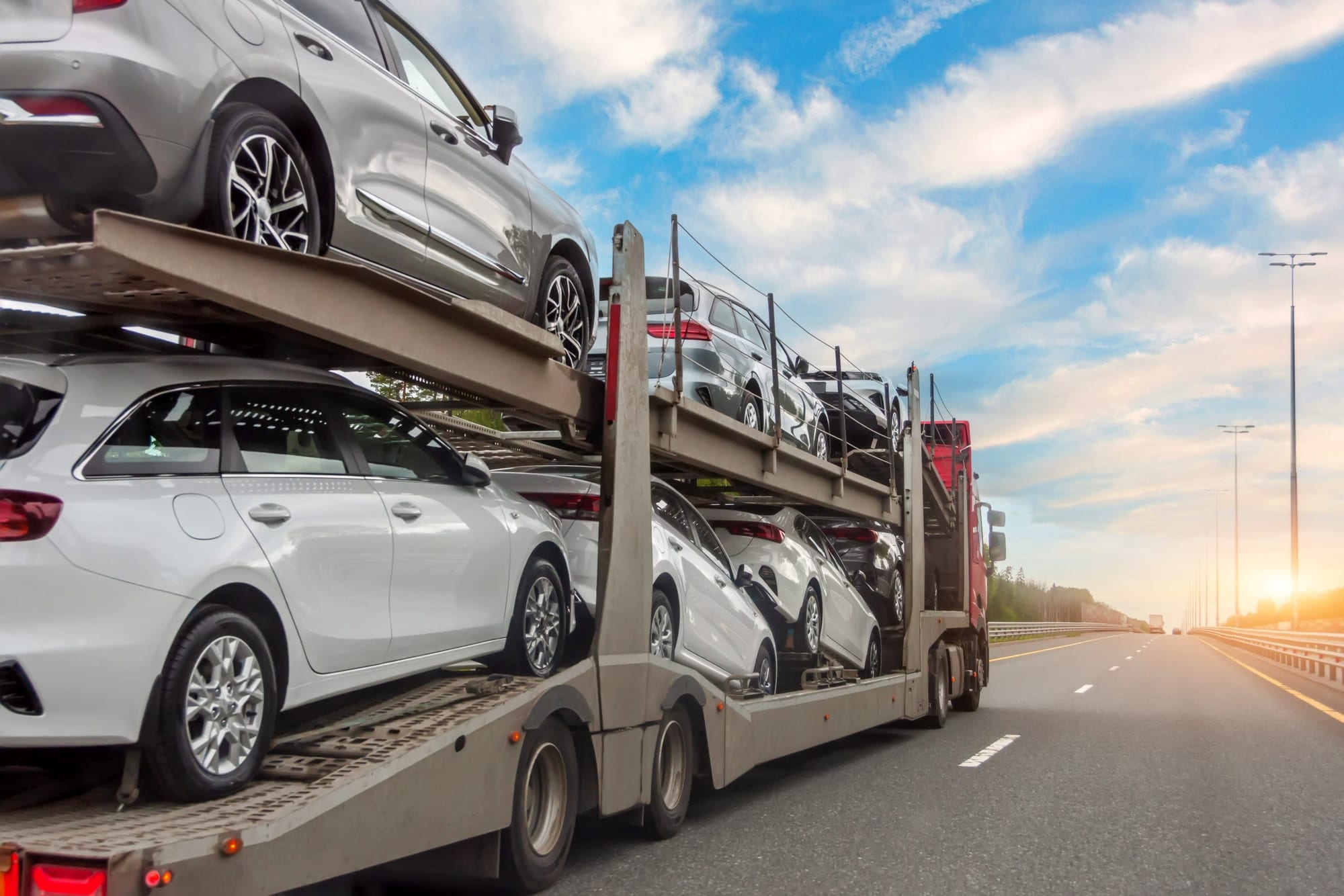
UK Vehicle Collection & Delivery to Australia
Collection from any UK address and delivery to the departure port.
Learn more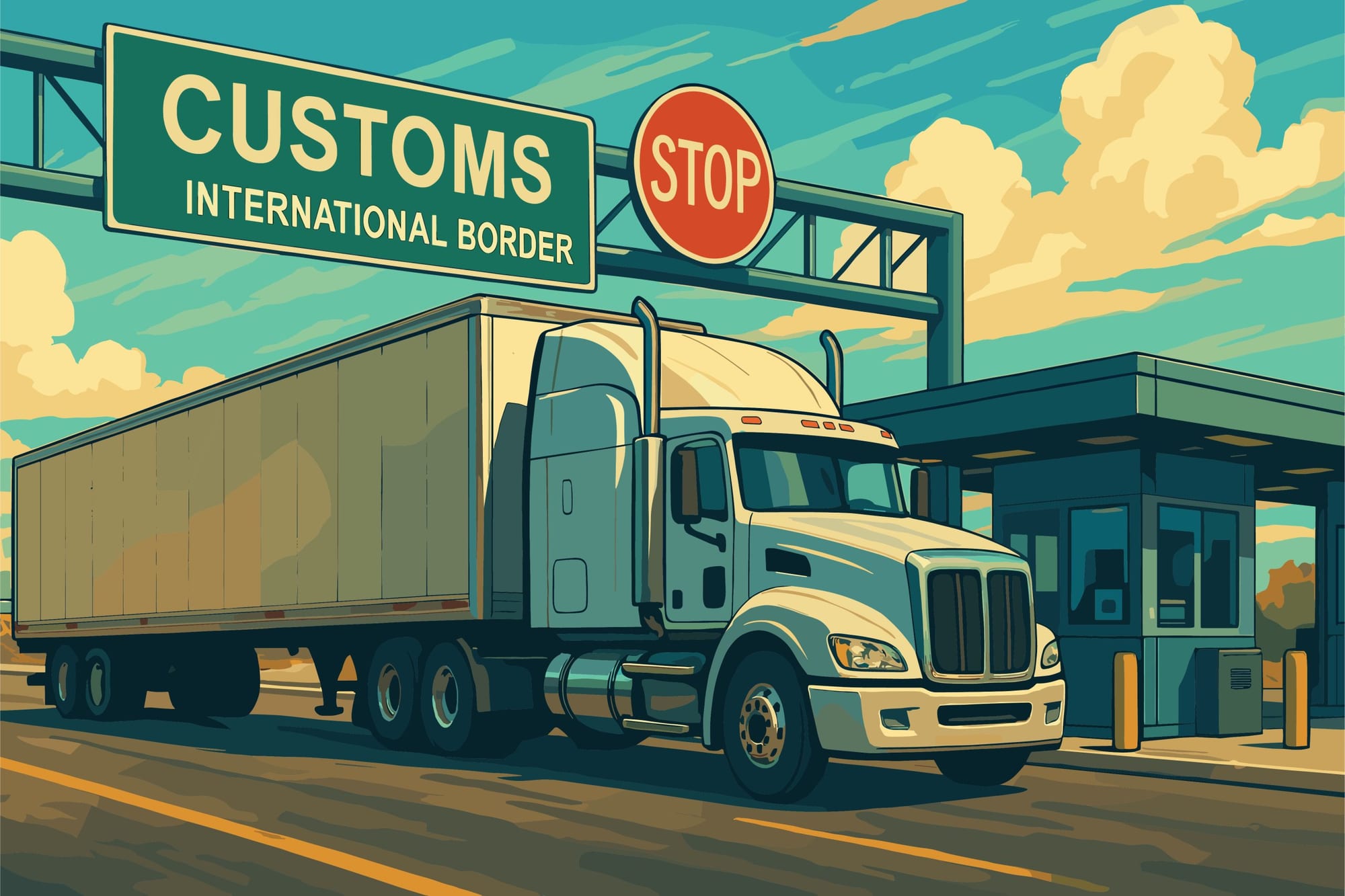
UK Customs Clearance for Export to Australia
Export declarations, Bill of Lading and all port documentation.
Learn more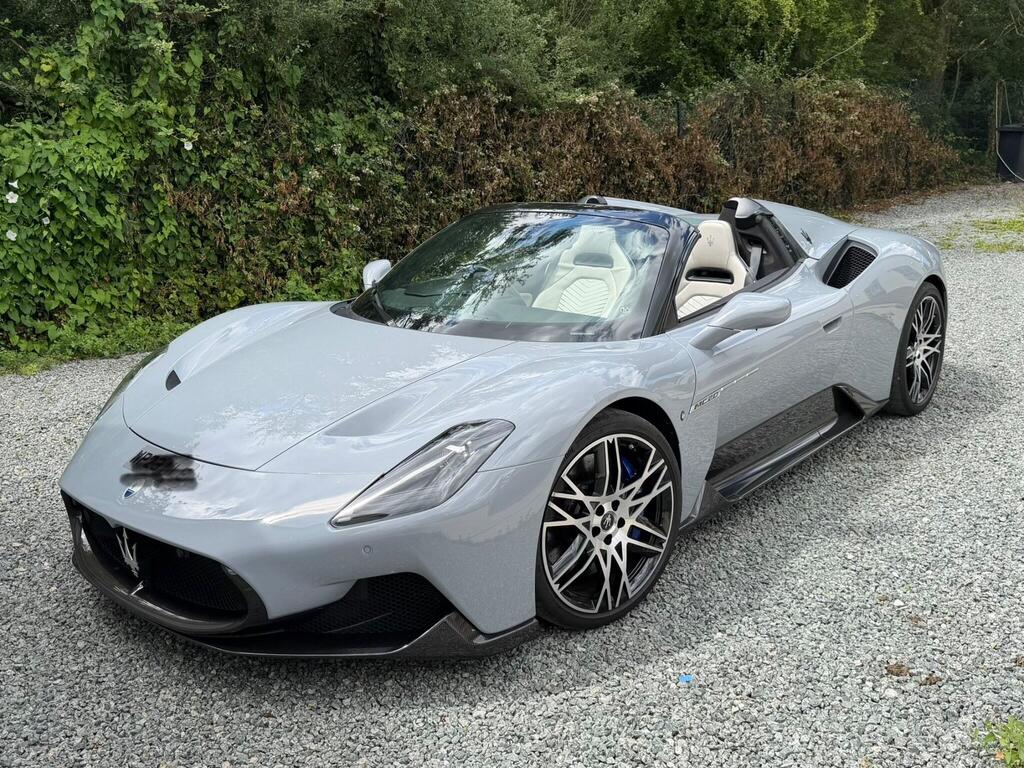
New / Used Car Export to Australia
Inspected new and used cars sourced in the UK and exported worldwide.
Learn moreTalk It Through with an Export Specialist
If you'd like to talk through any part of shipping your car to Australia, our team is happy to help.