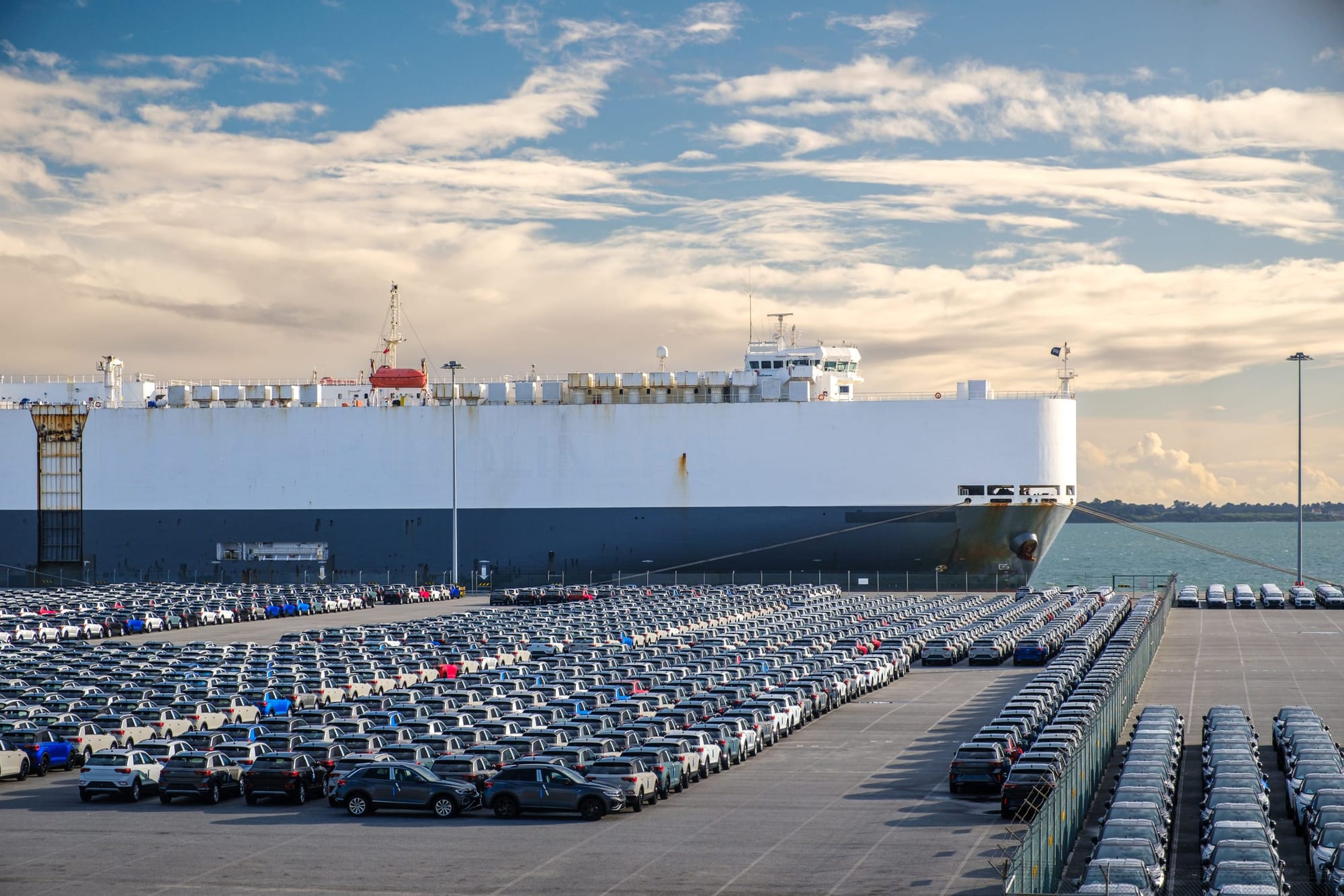
Car Parts & Modifications for Export
We source genuine and aftermarket parts from UK dealers and suppliers and export them, on their own or packed in a container with your vehicle. Where a destination needs a car changed before it will accept it, we arrange the work with a UK specialist before the car ships. Every job is quoted individually.
What You Get
- Genuine parts through UK main dealers, and aftermarket or used parts from UK suppliers
- Parts sent on their own by sea or air freight, or packed in a private container with your vehicle
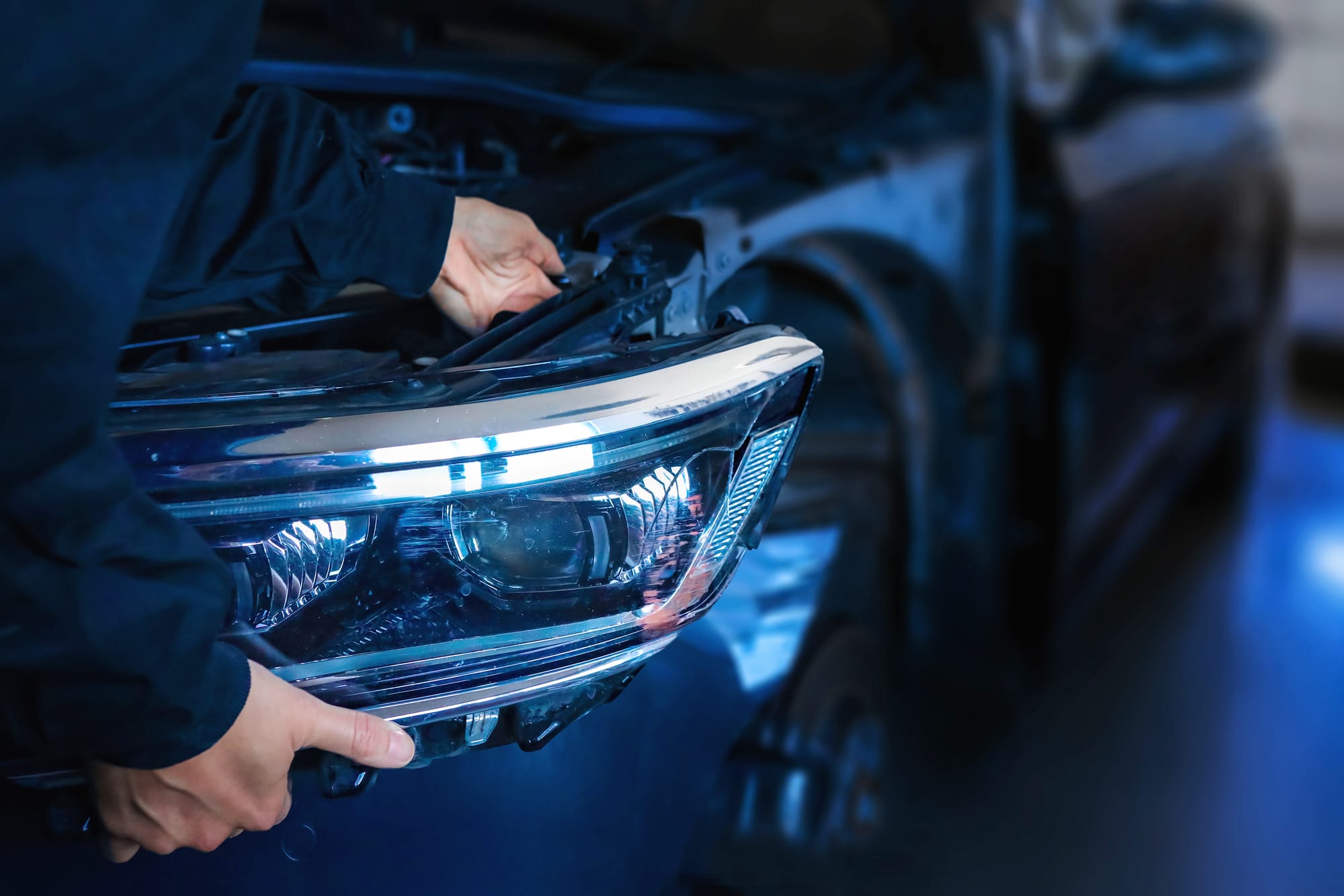
- Work a destination requires, such as a speedometer that reads in km/h or headlamps for driving on the right, arranged with UK specialists
- The UK export declaration filed by us, with the destination’s rules checked before we quote
How It Works
- 1
Tell us what you need
Send the part numbers or a description, the vehicle’s VIN and the destination. For pre-export work, tell us the car and the country it is going to.
- 2
We price it
We get prices from UK dealers, suppliers or specialists, check the destination’s rules and send you one quote for the parts or work and the shipping.
- 3
Packed and shipped
Parts are packed and shipped on their own, or loaded with your vehicle in a private container. A car shipped by RoRo must be empty, so parts for it travel separately.
Exporting Car Parts and Pre-Export Work
How parts travel, what a destination may require before a car arrives, and the UK rules that apply to exporting parts. This is general guidance drawn from published rules, not legal advice. The destination’s own authorities have the final say on what they accept.
How Parts Travel
With Your Car in a Container
A private container can take parts alongside the vehicle. They are packed and secured in the container and listed on the export declaration with the car.
Not Inside a RoRo Car
A car shipped by RoRo is driven aboard and must be empty, so parts cannot travel inside it. Parts for a RoRo car go separately, or the car goes by container instead.
On Their Own
Small or urgent parts can go by air freight or courier. Larger orders go on pallets or in crates by sea. The best method depends on the size, weight and value of the order and on the destination, so it is quoted per job.
Work a Destination May Require
Speedometers That Read in km/h
Ghana’s Standards Authority lists a used vehicle without a speedometer reading in kilometres per hour among those it will not allow in, for vehicles shipped from 1 October 2026.
The rules in Great Britain already require a car first used on or after 1 April 1984 to have a speedometer that can show both miles and kilometres per hour, either together or by a switch. Whether a particular car’s display satisfies a destination is for that destination to decide, so we check before you buy. Where a change is needed, we arrange it with a UK specialist or main dealer and include it in the quote.
If an instrument cluster is replaced, record the mileage shown before the work and keep it with the car’s papers.
Headlamps for Driving on the Right
A car built for UK roads has dipped-beam headlamps set for traffic on the left. Under UN Regulation 112, one of the international rules for car headlamps, a headlamp is approved for left-hand traffic, right-hand traffic or both. Lamps designed for both carry R/D and L/G markings for their two settings. A lamp designed for one side only has to be adapted so that it does not dazzle other drivers where traffic keeps to the other side, for example by masking part of the lens or lowering the beam.
That lets a car be driven abroad, but what a right-hand-traffic country accepts when it registers a car is for its own authorities. We check before the car ships and arrange any change with a UK specialist.
What a Modification Cannot Fix
Some rules cannot be met by changing a car. Ghana’s Standards Authority bars used vehicles more than 15 years old and used vehicles assembled from spare parts. Ghana also does not allow a right-hand-drive car without ministerial approval, so for Ghana we source a left-hand-drive car rather than convert one.
Parts That Need Extra Care
Dangerous Goods
Some car parts count as dangerous goods in transport. Carriers’ guidance lists what to look for: batteries, airbag inflators and modules, gas-filled shock absorbers and struts, and engines, carburettors or fuel tanks that hold or have held fuel. Parts like these must be identified before they are booked. Depending on the part, its condition and how it travels, it may have to be packed to the dangerous goods rules and declared to the carrier, by sea as well as by air. Tell us at the start if your order includes any of them.
Used Parts and Scrap
The Environment Agency, which regulates waste in England, treats a car at the end of its life as waste, with extra rules on exporting it. It says a part taken from such a car stops being waste once it is certain to be reused for its original purpose without any further testing or repair. Used parts sent as ordinary goods should therefore be ready to fit as they are. Scrap, and parts that still need testing or repair, are waste, and exporting waste has its own rules.
Destinations have their own rules on used parts. Nigeria’s import prohibition list, for example, includes used and retreaded tyres, with an exception for used truck tyres of size 11.00 x 20 and above for retreading. We check the destination’s rules before we quote.
Export Controls and Sanctions
Vehicle parts specially designed or modified for military use, and armour components specially designed for heavy armoured off-road vehicles, are on the UK Military List and need an export licence from the Export Control Joint Unit.
UK sanctions restrict exports to Russia, including goods sent through another country first. The government names motor vehicles, engines and vehicle parts among the UK goods at higher risk of being diverted there, so we check who the parts are for and where they are going before we quote.
The Export Paperwork
We file the UK export declaration for parts as we do for vehicles. The declaration describes the goods by commodity code. HMRC classifies many car parts and accessories under heading 8708, but engines and other machinery, electrical items, instruments such as speedometers, and general-use parts such as nuts, bolts and washers come under other headings. A mixed order may therefore need several lines on the declaration, each with its own code.
Our Other Export Services










Ready to Get Started?
Tell us the vehicle and the destination — we'll confirm the price, the paperwork and the next available sailing.